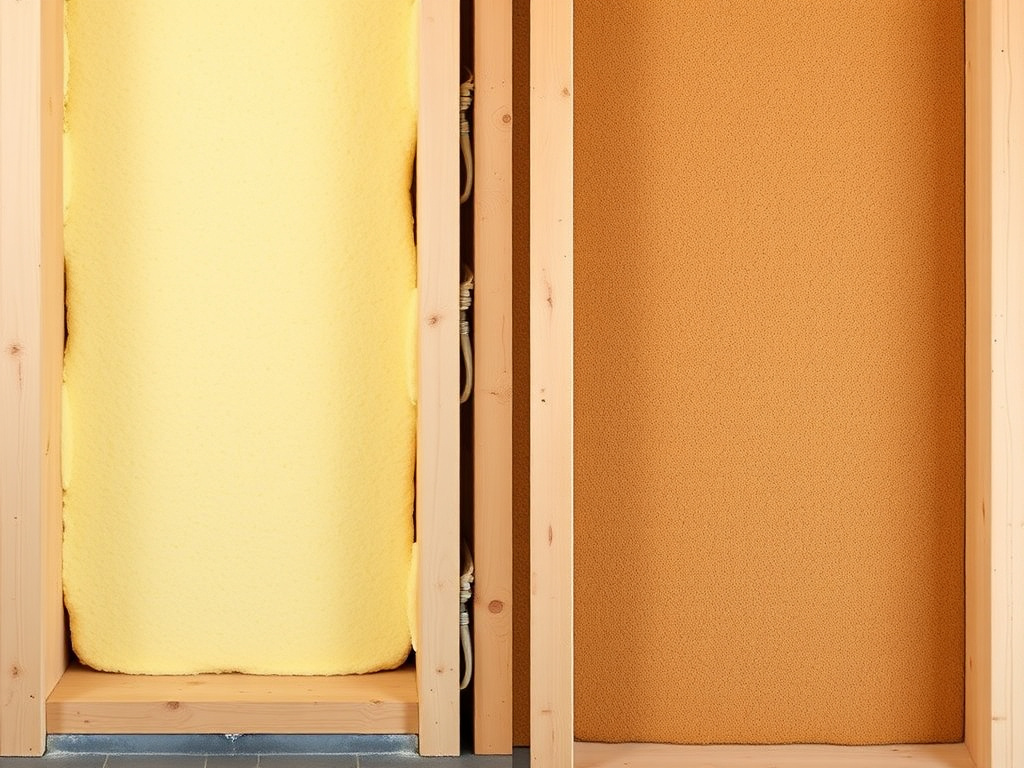
Why Does My Jacksonville Attic Smell Musty? Humidity, Mold & How Spray Foam Helps
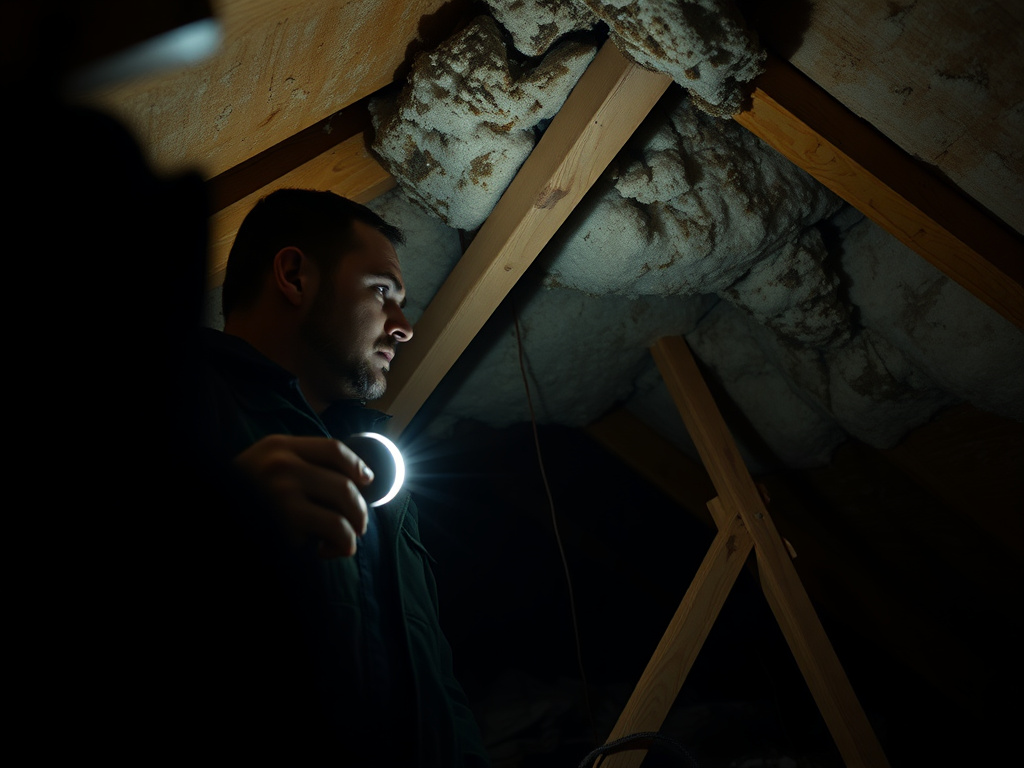
A musty smell coming from the attic or an upstairs closet is one of the most common calls we get from Jacksonville homeowners, and it's rarely a mystery once you understand the mechanism. It's almost always humid outside air finding its way into a vented, under-sealed attic, sitting against cooler surfaces, and creating the moisture conditions mold and mildew need to get established.
Why humidity is the real driver, not just heat
Jacksonville sits in IECC Climate Zone 2A, a hot-humid coastal climate where summer relative humidity commonly runs 74-95%. A standard vented attic exchanges air with the outside constantly, which means that humidity load is present in the attic essentially year-round, not just during a rain event. Fiberglass batt insulation, even when it's the correct R-value, doesn't stop this — it reduces heat transfer through the material but does nothing to seal the air pathways that carry humid air (and the moisture that comes with it) into the attic space.
Where the moisture actually comes from
- Soffit and ridge vents, doing exactly what they're designed to do — exchanging attic air with humid outside air
- Gaps around duct boots, top plates, and wiring penetrations that let conditioned, dehumidified indoor air escape into the attic, where it can condense against cooler surfaces
- A roof deck absorbing humidity from the outside air pressing against it for most of the day
- Occasionally, a slow or intermittent roof leak that isn't obvious from inside the attic until staining or a stronger odor develops
What actually fixes a musty attic — and what doesn't
Adding more of the same batt or blown-in insulation doesn't address the air-sealing problem that's letting humid air in and out in the first place — it can even make it harder to spot early signs of an existing moisture issue. Spray foam insulation, particularly closed-cell foam applied to the roof deck, addresses the actual mechanism: it air-seals the assembly as it insulates, closing the gaps that let humid air move through, and it acts as a genuine moisture barrier rather than a vapor-permeable material that can hold onto humidity the way some other materials can.
When a musty smell means more than just moisture management
Not every musty smell is purely a ventilation and air-sealing issue — sometimes it signals an active or past roof leak, and in those cases the underlying leak needs to be found and repaired before any new insulation goes in, spray foam or otherwise. Part of a proper on-site assessment is distinguishing between 'this attic needs to be sealed and insulated correctly' and 'there's an active moisture source that needs repair first.'
Frequently asked questions
Spray foam insulation is not a mold remediation product, and any existing visible mold should be professionally assessed and remediated separately before or alongside an insulation project. What spray foam does well is remove the ongoing conditions — humid-air infiltration and condensation — that let mold establish and keep coming back in the first place.
Not always, but it's always worth investigating rather than ignoring. In many cases it traces back to a straightforward air-sealing and ventilation issue that spray foam insulation addresses directly. In some cases it points to an active roof leak or more significant moisture intrusion that needs repair first. A professional on-site assessment is the only reliable way to tell which situation you're in.
Ready for a free quote?
Tell us about your home and we'll build a clear, no-pressure quote.